
 0
0


- Home
- Blog
- Product Insights
- Base Cabinet Pull-Out: The Hidden Upgrade Behind Modern Kitchen Storage
Base Cabinet Pull-Out: The Hidden Upgrade Behind Modern Kitchen Storage
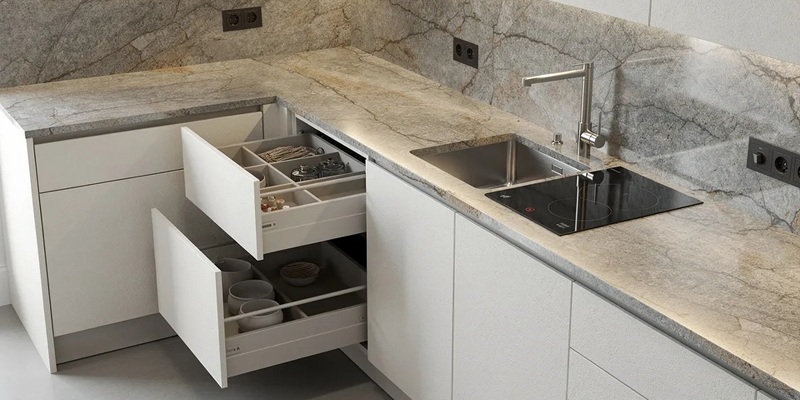
In modern kitchen renovation and retail projects, functionality is increasingly prioritized alongside aesthetics. Among them, base cabinet pull-outs can transform hard-to-reach cabinet blind spots into intuitive and convenient high-efficiency storage spaces. Everything from spice jars and cutlery to concealed waste sorting can be organized more systematically. This article will help you understand the differences between base cabinet pull-outs and traditional drawers, common application scenarios, and key points to consider during selection and installation.
〈Extended Reading: Pull-Out Storage Explained: From Everyday Use to Custom OEM Solutions〉
〈Extended Reading: The Practicality and Convenience of Corner Pantry Lazy Susans〉
What is a Base Cabinet Pull-Out? Differences from Standard Drawers
A base cabinet pull-out is a sliding storage system installed within kitchen base cabinets. Utilizing a slide rail design, the entire storage rack can be pulled out directly for use. Compared to traditional deep cabinets that require bending over to search, it helps improve accessibility and simplifies item retrieval.
In contrast, traditional drawers are mostly closed box structures. Limited by slide rail and side panel designs, they mostly focus on single-layer horizontal storage, making space utilization relatively fixed. Base cabinet pull-outs, however, can flexibly utilize vertical space through multi-tier rack designs, allowing the same cabinet to accommodate more types and sizes of items, resulting in higher overall storage efficiency.
〈Extended Reading: Pull Out Pantry Rack Installation Essentials: Size, Load Capacity & Slide System Details〉
Base cabinet pull-out vs. Standard Drawers
| Base Cabinet Pull-Out | Standard Drawers | |
|---|---|---|
| Accessibility | Fully pull-out, clear visibility | Partial view, needs sorting |
| Space Efficiency | Ideal for deep or awkward cabinets | Best for flat, regular spaces |
| Installation Flexibility | Can retrofit existing cabinets | Requires full drawer system design |
| Load Capacity | Depends on structural design and slide specification | Suitable for enclosed general-purpose storage |
| Storage Style | Open baskets, flexible layout | Closed box storage |
| Ease of Use | Quick access, less bending | Requires more organization |
(Swipe left or right to view the full table)
Base Cabinet Pull-Out Ideas and Applications
In actual kitchen planning, base cabinet pull-outs can be flexibly designed according to different usage needs. Below are common application methods:
Spice & Oils Storage
Narrow cabinets typically located on both sides of the stove utilize multi-layered, slender pull-out basket designs, allowing seasonings and cooking oils to be arranged upright. Items can be quickly retrieved during cooking without rummaging, improving accessibility and helping maintain an organized countertop.
Utensil & Knife Storage
Through a modular partition design, the base cabinet pull-out can store different types of kitchenware in layers. The upper layer is suitable for knives and frequently used cooking tools, while the lower layer can store flat objects such as cutting boards or baking sheets, reducing safety concerns caused by haphazardly stacking knives.
Cookware & Pantry Storage
For cookware or dry goods storage, the base cabinet pull-out features an adjustable shelf height design, allowing for free configuration based on item size. Whether it is cast iron pots, mixing bowls, or airtight containers, everything can be properly stored while remaining easy to access.
〈Extended Reading: Magic Corner Cabinet: Turn Wasted Kitchen Corners Into Usable Storage Space〉
Trash/Recycling Pull-Outs
Integrating trash and recycling systems into a base cabinet pull-out under the sink is a common configuration in modern kitchens. Single or double bin designs can be chosen based on needs, which not only makes the space look tidier but also reduces the spread of odors. The pull-out design makes disposal and sorting more convenient, enhancing daily efficiency.
〈Recommended Products: Base Cabinet Solutions〉
Selection Criteria for Base Cabinet Pull-Outs
When purchasing a base cabinet pull-out, prior assessment can effectively reduce installation errors and subsequent maintenance costs. The following points are particularly important:
Cabinet Dimensions & Clearance
Before installing a base cabinet pull-out, the clear dimensions of the cabinet should be accurately confirmed, including the actual usable opening width, internal depth, and height. Measurements should not be based solely on external dimensions; the thickness of the door panel and the range of motion when the hinges are open must also be considered to avoid interference or scratching during pull-out. Additionally, if there are water pipes, sockets, or other utility lines at the back of the cabinet, sufficient space must be reserved.
Load Capacity & Slide Mechanism
The load capacity of a base cabinet pull-out varies depending on the structural design and materials. Standard models are generally sufficient for daily bottles and kitchen supplies, but if there are many pots or heavier items, a reinforced structure is recommended. Furthermore, the slide material and metal thickness will directly affect stability and smoothness. General double-layer pull-out racks are suitable for medium-weight items like daily bottles; if placing heavier cookware or kitchen appliances, a reinforced structure is recommended for applications involving heavier cookware and repeated daily operation.
Materials & Construction
Different materials for base cabinet pull-outs each have their own pros and cons, which can be selected based on usage needs. Wooden structures offer a natural and warm appearance but require attention to moisture resistance and daily cleaning; metal wire baskets provide excellent ventilation and visibility, making them suitable for storing frequently used items, but are less suitable for storing small, loose items; steel plate structures paired with waterproof bottom panels strike a balance between durability and ease of cleaning, making them suitable for most kitchen environments and better able to handle grease and humidity.
Storage Layout Planning
Base cabinet pull-out configurations should be planned according to actual workflow and the types of items being stored. Under-sink areas often use U-shaped designs to avoid plumbing or integrate waste sorting systems; areas around the stove are suitable for narrow pull-out baskets for easy access to frequently used seasonings. As for deep cabinets or corner spaces, accessibility can be improved through linked or rotating structures, transforming previously difficult-to-use spaces into high-efficiency storage zones.
Base Cabinet Pull-Out Maintenance Tips
Keep Drawer Slides Clean
Kitchen base cabinets easily accumulate grease and dust. It is recommended to regularly wipe the slide surfaces of the base cabinet pull-out with a dry or slightly damp cloth to maintain basic cleanliness and gently remove dust from crevices when necessary. During cleaning, avoid using strong detergents or excessive water to prevent damaging the lubrication and damping structures inside the slides, which could affect long-term operating performance.
Check and Tighten Screws Regularly
Under frequent opening and closing and heavy loads, the screws at the connection points between the base cabinet pull-out slides and the door panel may gradually loosen. It is recommended to regularly check and retighten these key points with a screwdriver every six months to a year. This can effectively prevent abnormal noises, door panel misalignment, or sliding friction issues.
Base Cabinet Pull-Out FAQs
Can I retrofit a base cabinet pull-out into existing kitchen cabinets?
In most cases, yes. Many base cabinet pull-out systems are designed to be retrofittable and can be directly installed into existing kitchen cabinets. However, before installation, it is still necessary to confirm whether the internal clear width, depth, and height of the cabinet are sufficient, while also checking the door panel thickness and hinge positions to ensure they do not interfere with each other during pulling, which would affect the smoothness of use.
Why is my base cabinet pull-out scraping the cabinet door or hinges?
Base cabinet pull-outs that experience scraping during use are usually related to insufficient installation clearance or imprecise measurements. For example, protruding door panels, hinges, or offset slide installation positions can cause collisions. Additionally, if insufficient space is reserved on the sides or front and back, it is also easy for friction to occur with the door panel or hardware during operation.
Conclusion
Choosing the right base cabinet pull-out is about more than adding storage space; it also influences accessibility, organization, and long-term usability. Every detail, including slide load capacity, materials, and installation clearances, shapes the user experience. A thorough assessment during the early planning stages is highly recommended to ensure long-term stability.
Sun Chain integrates roll forming and stamping processes with MES smart manufacturing and QR-code mold management to support production traceability and process control. Through automated inspection systems and durability testing procedures, we maintain consistent product quality while supporting OEM development and customized engineering solutions. Contact us to learn more about our OEM development and customized storage solutions.


Sun Chain
Sun Chain is a Taiwan-based solution provider with two factories specializing in furniture & building hardware and sliding systems, including industrial and super heavy-duty slides.


Article Classification
Recent Articles
- Are Kitchen Pull-Out Baskets Worth It? Ultimate Guide to Uses and Selection Tips
- Base Cabinet Pull-Out: The Hidden Upgrade Behind Modern Kitchen Storage
- The Applications of Heavy-Duty Lockable Drawer Slides for a Safer Workspace!
- What Are Telescopic Slides? The Ultimate Guide to Types, Capacities, and Applications
- How to Choose and Maintain Pull-Out Wine Racks for Your Collection