
 0


BLOG
- Home
- Blog
- Product Insights
- How Handle Materials Affect Touch, Appearance, and Everyday Care
How Handle Materials Affect Touch, Appearance, and Everyday Care
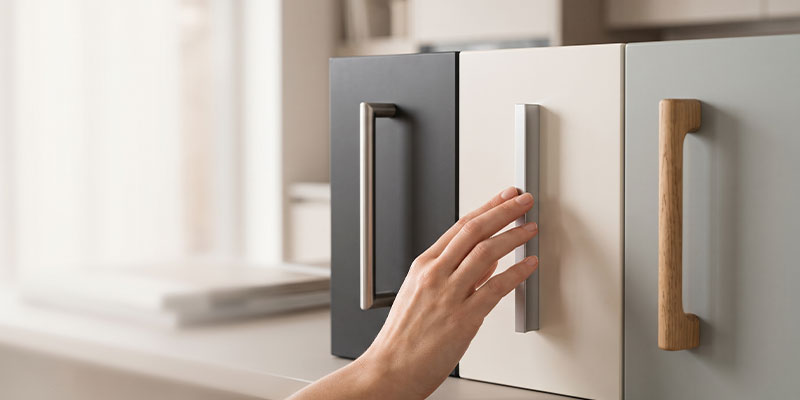
A cabinet handle is a small detail that people interact with every day. Its material, shape, and finish influence how it feels in the hand, how it complements furniture, and how it should be maintained.
Whether selecting handles for kitchen cabinets, wardrobes, or furniture collections, understanding these differences helps make more informed design and care decisions.
Maintenance also depends on the surface finish. Plated, painted, anodized, lacquered, and unfinished surfaces may require different care, so product-specific instructions should always take priority.
• Appearance: Options may include polished, brushed, satin, plated, or coated finishes
• Design consideration: Weight, shape, and finish can change the perceived quality and usability of the handle
• Appearance: Clean lines and a wide range of anodized or coated colors and textures
• Design consideration: Profile geometry and edge treatment can improve grip and comfort
• Appearance: Natural grain patterns and colors that complement warm or minimalist interiors
• Design consideration: Wood species, finish, and exposure to moisture influence long-term appearance
• Limit moisture: Avoid leaving water or cleaner on the handle or around mounting points
• Avoid harsh products: Do not use scouring pads, strong solvents, bleach, or acidic/alkaline cleaners unless expressly approved
• Check the finish: Follow the product-specific care instructions before applying any polish, wax, or oil
SUNCHAIN supports handle selection across different design styles and application needs. Looking for handles that balance appearance, touch, and practical care? Contact SUNCHAIN to discuss your project requirements.
Whether selecting handles for kitchen cabinets, wardrobes, or furniture collections, understanding these differences helps make more informed design and care decisions.
Why Material and Finish Both Matter
The feel of a handle is not determined by material alone. Profile shape, edge radius, surface texture, coating, and ambient temperature also affect the experience. A smooth satin finish can feel different from a textured or brushed finish, even when the underlying material is the same.Maintenance also depends on the surface finish. Plated, painted, anodized, lacquered, and unfinished surfaces may require different care, so product-specific instructions should always take priority.
1. Metal Handles: Solid Feel and Versatile Finishes
Handles made from materials such as zinc alloy, stainless steel, or brass are often selected for their substantial feel and broad range of decorative finishes. Depending on the design, they can suit modern, classic, or transitional furniture.What to Expect
• Touch: A solid, often cool initial feel, influenced by temperature and surface texture• Appearance: Options may include polished, brushed, satin, plated, or coated finishes
• Design consideration: Weight, shape, and finish can change the perceived quality and usability of the handle
Everyday Care
Remove fingerprints and everyday residue with a soft, dry or lightly dampened cloth. If needed, use a mild cleaner approved for the finish, then wipe dry. Avoid abrasive pads and aggressive acidic or alkaline cleaners. Do not use metal polish unless the manufacturer confirms it is suitable: polishing compounds may damage plated, lacquered, or other protective finishes.2. Aluminum Handles: Lightweight and Contemporary
Aluminum is also a metal, but it deserves separate consideration because its lower density and ability to be extruded into different profiles make it particularly useful for contemporary cabinet and furniture designs.What to Expect
• Touch: Generally lightweight; the perceived temperature and grip depend on finish and profile• Appearance: Clean lines and a wide range of anodized or coated colors and textures
• Design consideration: Profile geometry and edge treatment can improve grip and comfort
Everyday Care
Use a soft cloth to remove dust and fingerprints. For stubborn marks, use a small amount of mild, finish-compatible detergent on a damp cloth, then dry thoroughly. Avoid abrasive cleaners and harsh chemicals that may scratch or affect anodized and coated surfaces.3. Wood Handles: Warmth and Natural Character
Wood handles bring visible grain and a natural tactile quality to furniture. Their appearance varies with species, grain, stain, and protective finish, making each design feel distinctive.What to Expect
• Touch: A warmer, more organic tactile impression than many exposed metal surfaces• Appearance: Natural grain patterns and colors that complement warm or minimalist interiors
• Design consideration: Wood species, finish, and exposure to moisture influence long-term appearance
Everyday Care
Dust with a soft, dry cloth. If the finish permits damp cleaning, use a barely damp cloth and dry immediately. Avoid soaking the wood or leaving moisture around joints. Wax or oil should only be applied when specifically recommended for that wood finish; some sealed or lacquered handles should not be treated with additional products.Quick Comparison: Choosing by Experience and Care
| Handle type | Typical design appeal | General care approach |
| Metal (e.g., zinc alloy, brass, stainless steel) | Substantial feel; diverse decorative finishes | Soft cloth; finish-approved mild cleaner; avoid unapproved polish |
| Aluminum | Lightweight; streamlined profiles; anodized/coated colors | Soft cloth; mild finish-compatible cleaner; dry thoroughly |
| Wood | Natural warmth; unique grain | Dry or barely damp cloth as permitted; avoid prolonged moisture |
Four Simple Habits That Help Handles Look Their Best
• Clean gently: Use a soft, non-abrasive cloth for routine dust and fingerprints• Limit moisture: Avoid leaving water or cleaner on the handle or around mounting points
• Avoid harsh products: Do not use scouring pads, strong solvents, bleach, or acidic/alkaline cleaners unless expressly approved
• Check the finish: Follow the product-specific care instructions before applying any polish, wax, or oil
The Right Handle Is More Than a Material Choice
For furniture brands, cabinet manufacturers, and designers, choosing a handle involves more than appearance. Material, geometry, surface finish, tactile comfort, and maintenance expectations all contribute to the user experience.SUNCHAIN supports handle selection across different design styles and application needs. Looking for handles that balance appearance, touch, and practical care? Contact SUNCHAIN to discuss your project requirements.


Sun Chain
Sun Chain is a Taiwan-based solution provider with two factories specializing in furniture & building hardware and sliding systems, including industrial and super heavy-duty slides.

Article Classification
Recent Articles
- How Handle Materials Affect Touch, Appearance, and Everyday Care
- Are Kitchen Pull-Out Baskets Worth It? Ultimate Guide to Uses and Selection Tips
- Base Cabinet Pull-Out: The Hidden Upgrade Behind Modern Kitchen Storage
- The Applications of Heavy-Duty Lockable Drawer Slides for a Safer Workspace!
- What Are Telescopic Slides? The Ultimate Guide to Types, Capacities, and Applications